
Advance On-Page SEO Guide: Strategies, Factors, and Free Audit Tools
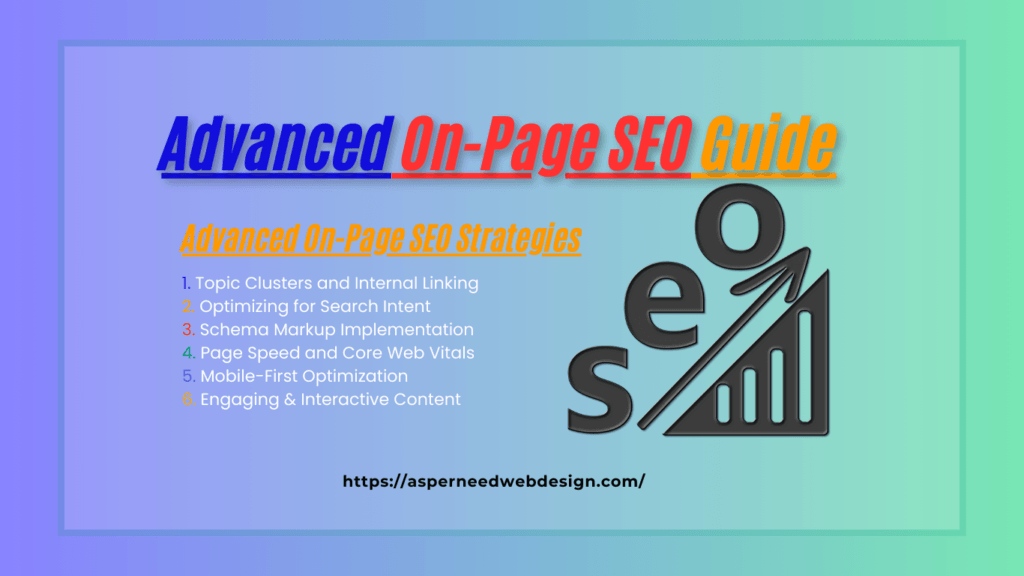
In today’s digital landscape, On-Page SEO plays a crucial role in improving a website’s search engine rankings. If you want your website to rank higher and attract more organic traffic, mastering on-page optimization is a must. This comprehensive guide covers everything you need to know about Advanced On-Page SEO, critical on-page SEO factors, a step-by-step on-page SEO process, and the best free on-page SEO audit tools to evaluate your website’s performance. What is On-Page SEO? Increasing the visibility of individual web pages in search engine results is referred to as “on-page SEO.” It entails optimizing a page’s HTML source code and content. while ensuring an excellent user experience. Unlike Off-Page SEO, which focuses on external factors like backlinks, On-Page SEO is fully within your control. Effective On-Page SEO improves website visibility, enhances user engagement, and increases conversion rates by making content more relevant and valuable to visitors. Advanced On-Page SEO Strategies To stay ahead in SEO, you need to implement advanced tactics beyond basic optimizations. Here are some pro-level strategies: 1. Topic Clusters and Internal Linking 2. Optimizing for Search Intent 3. Schema Markup Implementation 4. Page Speed and Core Web Vitals 5. Mobile-First Optimization 6. Engaging & Interactive Content Key On-Page SEO Factors Optimizing your page for SEO involves addressing several key elements: 1. Title Tags & Meta Descriptions 2. URL Structure 3. Heading Tags (H1-H6) 4. Image Optimization The On-Page SEO Process (Step-by-Step) Here’s a structured approach to implementing On-Page SEO: Step 1: Perform Keyword Research Step 2: Optimize Content for SEO Conclusion Mastering On-Page SEO is crucial for achieving higher search engine rankings and attracting organic traffic. By following advanced strategies, optimizing essential factors, and using free SEO audit tools, you can ensure your website stays ahead of the competition. Implementing these best practices will help improve search visibility, drive targeted traffic, and enhance user experience. Your ranks will rise if you begin improving your website right now! FAQs Q1: How long does it take to see results from On-Page SEO?A: Results depend on competition and optimization quality. Generally, you may see improvements in 2 to 8 weeks. Q2: What is the best tool for On-Page SEO audits?A: Google Search Console and Ahrefs Free SEO Tool are among the best free options. Q3: Can On-Page SEO alone improve rankings?A: While On-Page SEO is essential, combining it with Off-Page SEO (backlinks, social signals) will maximize results. 🚀 Optimize Your Website Today & Boost Your Rankings!
Best AI Frameworks for Modern Web Development
The rise of Artificial Intelligence (AI) is revolutionizing web development, making websites smarter, faster, and more efficient. AI frameworks are at the forefront of this transformation, enabling developers to automate tasks, enhance user experiences, and optimize website performance. AI frameworks have transformed the landscape of modern web development. But with numerous options available, how do you determine which framework is best suited for your project’s needs? In this article, we’ll explore some of the leading AI frameworks that are redefining how developers approach web projects. Why Use AI Frameworks for Web Development? AI frameworks are powerful tools that help developers integrate machine learning (ML) and AI capabilities into websites. These frameworks provide pre-built algorithms, libraries, and tools that simplify AI implementation. Here’s why AI frameworks are crucial for web development: Now, let’s explore the top AI frameworks transforming web development. 1. TensorFlow.js TensorFlow.js is a popular JavaScript library that allows developers to run machine learning models directly in the browser. It supports real-time AI applications like image recognition, sentiment analysis, and chatbot functionalities. Key Features: 2. PyTorch Although primarily a Python-based framework, PyTorch has gained traction in web development for AI-powered applications. With TorchScript, PyTorch models can be deployed on web platforms efficiently. Key Features: 3. OpenAI GPT (Generative Pre-trained Transformer) OpenAI’s GPT models power AI-driven chatbots, content generators, and recommendation systems in modern web applications. Key Features: 4. IBM Watson IBM Watson is a leading AI framework offering various AI-powered services, including NLP, speech recognition, and AI-based analytics for web development. Key Features: 5. Google Cloud AI Google Cloud AI provides a suite of AI tools that help developers build intelligent web applications. Key Features: 6. Microsoft Azure AI Microsoft Azure AI provides cloud-based AI services that integrate easily into web applications. Key Features: 7. Hugging Face Transformers Hugging Face is a popular open-source library specializing in NLP and deep learning models. Key Features: How to Choose the Right AI Framework for Your Website? Choosing the right AI framework depends on your project requirements. Here are some factors to consider: Conclusion AI frameworks are reshaping modern web development, making websites more intelligent, interactive, and efficient. Whether you’re building an AI-powered chatbot, automating web design, or personalizing user experiences, these AI frameworks offer the tools you need to succeed. By integrating AI into your web development strategy, you can stay ahead in the digital landscape and provide users with a smarter, more dynamic experience. Are you ready to leverage AI for your web development projects? Explore these frameworks and take your website to the next level!
Janitor AI: The Future of AI-Powered Virtual Assistants (2025)

Artificial Intelligence (AI) has rapidly transformed how we interact with technology. One such innovation making waves is Janitor AI—a smart virtual assistant designed to automate and optimize various tasks. Whether you’re looking for an AI chatbot, content automation, or enhanced customer interactions, It’s offers a seamless and intuitive experience. But what exactly is it, and how can it benefit users? Let’s dive deep into this AI-powered marvel. What is Janitor AI? This is an advanced AI chatbot that enhances workflow efficiency by automating mundane tasks, managing conversations, and assisting users in various sectors, including customer support, content creation, and personal productivity. It leverages natural language processing (NLP) and machine learning (ML) to provide human-like responses, making it a reliable assistant for businesses and individuals alike. Is Janitor AI Free to Use? It offers both free and premium plans. While the free version provides basic functionalities, advanced features, API access, and enterprise-level capabilities typically require a subscription or payment. How Much Does It Cost to Use the Janitor AI API? Its pricing structure is largely influenced by the selected LLM model it operates on. Since each conversation involves an LLM query, where the AI sends user input to the language model to generate responses, costs may vary based on usage frequency and model type. Here’s a general breakdown of potential costs when using the Janitor AI API for chatbot development: Understanding your usage needs can help you choose the most cost-effective plan while utilizing its AI’s powerful capabilities. How to Install Kobold AI API for Janitor AI Step 1: Install KoboldAI Unite Download and install the KoboldAI Unite framework, which is essential for running the AI model effectively. Step 2: Configure the Pygmalion 6B Model Once installed, configure the Pygmalion 6B Model within KoboldAI to enable advanced AI capabilities. Step 3: Connect to Janitor AI Establish a secure connection between Kobold AI API and Janitor AI, ensuring seamless communication between the two platforms. How to Use? Using this AI tool is simple: Why is Janitor AI Not Working? Common Issues Is Janitor AI Safe? Yes, this is designed with security and privacy protocols to safeguard user data. It employs data encryption and compliance with industry regulations to ensure safe interactions. What Are Janitor AI’s Alternatives? If Janitor AI doesn’t meet your needs, consider the following alternatives: FAQs Q1: Can I use Janitor AI for business applications? Yes, this AI is suitable for businesses, automating customer support and workflow management. Q2: Does Janitor AI support multiple languages? Yes, it supports multilingual interactions for global accessibility. Q3: Can I integrate Janitor AI with my website? Absolutely! Janitor AI offers seamless integration with websites and applications. Q4: How frequently is Janitor AI updated? It receives regular updates to enhance functionality and security. Conclusion Janitor AI is revolutionizing how we interact with technology, offering a powerful solution for businesses and individuals looking to streamline operations. Whether for customer service, productivity, or automation, its potential is limitless. As AI continues to advance, this AI tool will play a significant role in shaping the future of digital assistance.
The Ultimate Guide to SEO Strategies(2025)
Introduction The core of success on the internet is Search Engine Optimization (SEO). If your website isn’t ranking on Google, you’re missing out on potential customers, leads, and revenue. But mastering SEO isn’t just about stuffing keywords—it’s about strategy, quality content, and staying ahead of ever-evolving algorithms. In this ultimate guide to SEO, we’ll break down the most effective SEO strategies, from on-page optimization to advanced AI-driven techniques. Whether you’re a beginner or an experienced marketer, this guide will equip you with everything you need to rank higher, drive organic traffic, and maximize conversions. 1. Understanding SEO: Basics & Importance What is SEO? Search Engine Optimization (SEO) is the practice of optimizing websites to improve their visibility on search engines like Google, Bing, and Yahoo. It involves various techniques that help search engines understand, index, and rank a website effectively. SEO is broadly categorized into three main types: By implementing a strong SEO strategy, businesses and individuals can improve their rankings, drive more traffic, and achieve better online visibility. How Do Search Engines Work? Understanding the mechanics of search engines is essential for effective SEO. The process involves three main steps: 1. Crawling Search engines use bots (also known as spiders or crawlers) to scan web pages across the internet. These bots navigate through websites by following links, collecting information about content, structure, and updates. 2. Indexing After crawling, search engines store and organize the collected data in their database (index). This process allows search engines to retrieve relevant pages quickly when a user makes a search query. 3. Ranking When a user searches for information, search engines rank indexed pages based on various factors such as relevance, quality, user experience, and authority. The goal is to display the most valuable and relevant results at the top of the search results page (SERP). Why is SEO Important? SEO plays a crucial role in digital marketing and online success. The following are some main factors for why SEO is crucial: ✅ Increases Website Visibility and Organic Traffic By ranking higher on search engines, your website attracts more organic (unpaid) traffic, leading to a steady flow of visitors without relying on paid advertisements. ✅ Boosts Credibility and Brand Trust Websites that appear at the top of search results are often perceived as more trustworthy and authoritative. Implementing SEO best practices helps build brand credibility and audience trust. ✅ Drives Higher Conversion Rates and Sales SEO not only brings traffic but also attracts highly targeted users who are actively searching for products, services, or information. This results in higher conversion rates and sales opportunities. ✅ Provides Long-Term Benefits Compared to Paid Ads Unlike paid advertising, which stops generating traffic once the budget runs out, SEO provides sustainable results over time. A well-optimized website can maintain rankings and traffic for months or even years with proper updates and maintenance. By focusing on SEO, businesses and content creators can establish a strong online presence, enhance user experience, and achieve long-term digital success. 2. On-Page SEO: Optimizing Your Website for Higher Rankings Keyword Research: Finding the Right Keywords Content Optimization: How to Create SEO-Optimized Content Meta Tags & Descriptions Internal Linking: Boosting Page Authority 3. Off-Page SEO: Building Authority & Backlinks What is Off-Page SEO? Off-page SEO focuses on building domain authority through external efforts like link building, social signals, and online reputation management. While on-page SEO ensures your website is optimized internally, off-page SEO helps improve credibility and trustworthiness through external endorsements. Backlink Strategies That Work By implementing these strategies, you can strengthen your website’s authority, improve search engine rankings, and drive long-term organic growth. 4. Technical SEO: Site Performance & Indexing Website Speed & Core Web Vitals Website speed is a critical ranking factor in search engine optimization. A fast-loading site improves user experience, reduces bounce rates, and increases conversions. Google emphasizes page speed through Core Web Vitals, which measure key aspects of website performance. Optimize Images and Enable Lazy Loading Minimize CSS and JavaScript for Faster Load Times Use Google PageSpeed Insights to Monitor Performance Mobile Optimization Google follows a mobile-first indexing approach, meaning it primarily uses the mobile version of a site for indexing and ranking. A mobile-optimized website enhances user experience and improves rankings. Ensure a Mobile-Friendly, Responsive Design Implement Accelerated Mobile Pages (AMP) for Faster Loading Fixing Indexing Issues Search engines must be able to crawl and index your website efficiently. If Google cannot index your pages, they won’t appear in search results, leading to lost traffic. Use Google Search Console to Check Crawl Errors Submit an XML Sitemap for Easy Indexing By implementing these Technical SEO strategies, your website will achieve better search rankings, improved performance, and enhanced user experience. Stay proactive by regularly auditing your site and addressing performance or indexing issues as they arise. 5. Local SEO: Ranking for Geographic Searches Google My Business (GMB) Optimization For local SEO, Google My Business (GMB) is an essential tool. Visibility in Google Maps and the Local Pack can be greatly increased with a well-configured GMB profile. 1. Claim Google My Business Listing and Verify it 2. Optimize Business Details with NAP Consistency 3. Encourage Customers to Leave Positive Reviews Local Citations & Backlinks Local citations and backlinks from authoritative sources help strengthen local search rankings. 1. Get Listed in Local Directories 2. Use Geo-Targeted Keywords 3. Build Local Backlinks Website Optimization for Local Search 1. Implement Schema Markup 2. Optimize for Mobile 3. Embed Google Maps Local SEO is a continuous process that demands constant work. By optimizing your Google My Business profile, managing citations, acquiring local backlinks, and enhancing your website’s local relevance, you can improve your rankings for geographic searches and attract more local customers. 6. SEO Tools & Analytics: Measuring Success Essential SEO Tools 1. Google Search Console (GSC) Google Search Console is a free tool by Google that helps website owners monitor and optimize their site’s visibility in search results. It allows users to: 2. Google Analytics Google Analytics provides detailed data on website
Responsive Web Design Principles with Examples
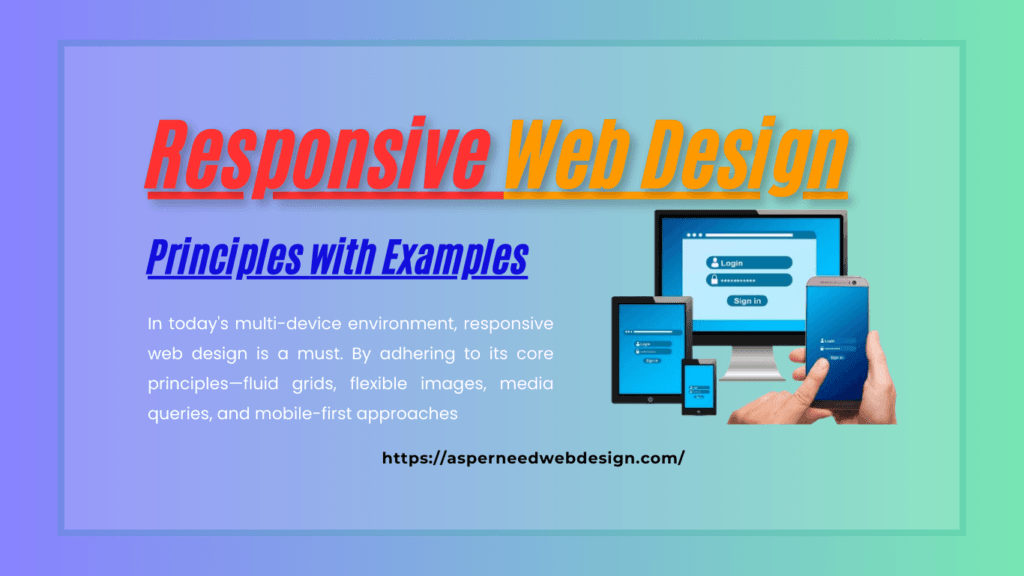
In today’s digital landscape, where users access websites from various devices, responsive web design (RWD) has become a necessity rather than an option. It ensures that websites look and function seamlessly across different screen sizes and devices, enhancing user experience and engagement. This article will delve into the principles of responsive web design and provide practical examples to guide you through implementing these concepts. What is Responsive Web Design? Responsive web design is an approach to web development where websites are crafted to adapt to the user’s device and screen size. Instead of creating multiple versions of a website for different devices, RWD uses flexible layouts, media queries, and fluid grids to provide an optimal viewing experience on desktops, tablets, and smartphones. Principles of Responsive Web Design Example:img { max-width: 100%; height: auto; Media Queries Media queries are CSS techniques used to apply different styles based on the device’s screen size and resolution. They act as breakpoints, ensuring the design adapts to various screen sizes. Example:@media (max-width: 768px) { body { font-size: 14px; } Mobile-First Design Mobile-first design prioritizes smaller screens and progressively enhances the design for larger screens. This approach ensures a seamless user experience for mobile users, who often constitute a significant portion of web traffic. Example: Start with basic styles optimized for mobile devices and add more complex styles using media queries for larger screens: body { font-size: 16px; } @media (min-width: 1024px) { body { font-size: 18px; } Typography and Readability Responsive typography ensures text is legible on all devices. Using relative units like em or rem for font sizes, line heights, and spacing allows for dynamic adjustments based on screen size. Example:body { font-size: 1rem; /* Base font size */ } @media (min-width: 1024px) { body { font-size: 1.2rem; } Examples of Responsive Web Design Benefits of Responsive Web Design Tools and Frameworks for Responsive Design Conclusion In today’s multi-device environment, responsive web design is a must. By adhering to its core principles—fluid grids, flexible images, media queries, and mobile-first approaches—you can create websites that provide exceptional user experiences. Whether you’re a beginner or an experienced developer, integrating responsive design into your projects will future-proof your websites and keep them competitive in an ever-evolving digital landscape.
Future of Web Development After AI: Embracing Innovation
The web development industry is experiencing a seismic shift, thanks to the growing influence of Artificial Intelligence (AI). As AI continues to revolutionize technology, it’s not just automating processes but also redefining the future of web development after AI, transforming the way developers create, optimize, and maintain websites. In this blog, we’ll explore how AI is shaping the future of web development and what this means for businesses and developers. AI: The Game-Changer in Web Development AI’s integration into web development has opened the door to unprecedented possibilities. From intelligent design tools to personalized user experiences, here are some key areas where AI is making a significant impact: 1. Automated Code Generation AI-powered tools like GitHub Copilot and ChatGPT are transforming the coding process. These tools assist developers by generating code snippets, detecting bugs, and providing real-time solutions. As a result, developers can focus more on creative problem-solving rather than repetitive tasks. 2. Enhanced User Experience (UX) AI enables hyper-personalization by analyzing user behavior, preferences, and interactions. Chatbots powered by Natural Language Processing (NLP) ensure seamless customer support, while AI algorithms deliver tailored content recommendations, boosting engagement and retention rates. 3. AI-Driven Design Tools like Canva and Wix ADI are leveraging AI to streamline website design. They allow non-technical users to create visually stunning and responsive websites with minimal effort. This democratization of design is making web development accessible to a broader audience. 4. Predictive Analytics for Web Performance AI systems can monitor website performance, predict potential issues, and recommend optimizations. For example, AI can analyze loading times and suggest improvements to enhance Core Web Vitals, a critical factor for search engine rankings. 5. Voice and Visual Search Optimization With the rise of voice assistants like Alexa and Google Assistant, optimizing websites for voice search is becoming a priority. AI-driven visual search tools, such as Google Lens, are also influencing how users interact with web content. The Benefits of AI in Web Development The integration of AI into web development isn’t just a trend; it’s a necessity for businesses aiming to stay competitive. Here are some advantages: Challenges to Overcome Despite its advantages, AI in web development presents some challenges: What’s Next? The Road Ahead The future of web development lies in a symbiotic relationship between AI and human creativity. Here’s what we can expect: How Businesses Can Prepare To stay ahead, businesses must embrace AI-driven web development. Here are actionable steps: FAQs Will AI replace web developers in the future? AI is unlikely to completely replace web developers. Instead, it will act as a powerful tool to assist them by automating repetitive tasks, enhancing productivity, and allowing them to focus on more creative and strategic aspects of development. Is the future of web development after AI a good career? Absolutely! The future of web development after AI is reshaping, but it also creates new opportunities. Developers with AI skills and expertise in creating innovative, user-centric websites will remain in high demand. What is the future of AI in web design? AI will play a central role in web design by enabling intelligent automation, personalized user experiences, and advanced analytics. Tools powered by AI will make design more accessible while pushing the boundaries of creativity and functionality. How can developers adapt to AI advancements? Developers can adapt by learning AI-related skills such as machine learning, natural language processing, and data analytics. Staying updated with the latest AI tools and technologies is also crucial. Will AI make web development easier? Yes, AI simplifies many aspects of web development, including coding, debugging, design, and optimization. This allows developers to work more efficiently and focus on innovation. What are some AI tools for web development? Popular AI tools include GitHub Copilot for coding, Canva and Wix ADI for design, and Google Analytics with AI-powered insights for performance tracking. How does AI affect website SEO? AI enhances SEO by analyzing trends, optimizing keywords, and providing insights into user behavior. AI-powered tools can also help improve content quality and website performance, boosting rankings. Are there risks to using AI in web development? While AI offers numerous benefits, it comes with risks such as data privacy concerns, dependency on algorithms, and potential ethical issues. Developers must implement AI responsibly and ethically. Conclusion- Future of Web Development After AI The future of web development after AI is bright, innovative, and full of potential. By embracing AI, businesses and developers can unlock new levels of efficiency, creativity, and user satisfaction. As we move forward, the key will be to strike a balance between automation and human ingenuity, ensuring that technology enhances rather than replaces the unique touch of human expertise.
Best Ahrefs Alternatives

In the world of SEO and digital marketing, Ahrefs is often hailed as a powerhouse tool. From analyzing backlinks to checking domain ratings and discovering keywords, it provides a comprehensive suite of tools to elevate your online presence. But is Ahrefs the best fit for everyone? This article dives deep into the many facets of Ahrefs, explores its features, compares it with competitors, and even suggests alternatives for those on a budget. Let’s get started! What Are the Best Ahrefs Alternatives? If Ahrefs feels too expensive or doesn’t meet all your needs, don’t worry—there are plenty of robust alternatives available: SEMrush A direct competitor to Ahrefs, SEMrush offers tools for keyword research, competitor analysis, and site auditing. It also provides social media tracking, which Ahrefs lacks. SEMrush is a powerful tool for digital marketers, SEO specialists, and businesses aiming to improve their online presence. It provides a comprehensive suite of features that help with keyword research, SEO optimization, competitor analysis, and content marketing. Whether you’re a beginner or an experienced marketer, SEMrush can be a valuable asset in driving traffic, improving rankings, and boosting your online visibility. What is SEMrush Used For? SEMrush is a powerful all-in-one digital marketing tool designed to help businesses improve their online visibility and gain valuable insights into their competitors. It is widely used for Search Engine Optimization (SEO), Pay-Per-Click (PPC) advertising, content marketing, social media management, and competitive research. Here are some of its primary uses: How Do I Generate SEO Keywords? Generating SEO keywords with SEMrush is straightforward and effective. Here’s how you can do it: Can We Use SEMrush for Free? Yes, SEMrush offers a free version, but with limited features. The free version includes: To unlock the full potential of SEMrush, including advanced keyword research, detailed competitor analysis, and comprehensive site audits, you would need to subscribe to one of its premium plans. They offer various pricing tiers to accommodate different business needs. Moz Pro Known for its beginner-friendly interface, Moz Pro excels in domain authority tracking, on-page optimization, and link analysis. Moz is a powerful SEO tool that can significantly enhance your digital marketing strategy. Its user-friendly interface and comprehensive toolset make it a valuable resource for both beginners and advanced marketers. Whether you want to perform keyword research, optimize your website, build backlinks, or track your search engine rankings, Moz provides all the necessary tools to achieve your goals. What is Moz Used For? Moz is a popular SEO toolset designed to help businesses enhance their online visibility, improve search engine rankings, and boost website traffic. It offers a variety of tools and features aimed at making SEO easier and more effective. Here are some of the primary uses of Moz: What Is Moz and How Can Moz Support Marketing Strategy? Moz is an all-in-one SEO platform that provides tools and resources to optimize your website’s performance on search engines. It plays a crucial role in shaping your digital marketing strategy by offering: By leveraging Moz’s tools, you can make data-driven decisions, optimize your website for better visibility, and develop a robust marketing strategy that drives organic growth. Can We Use Moz for Free? Yes, Moz provides a feature-limited free version. Here’s what you can access with a free Moz account: Limitations of the Free Version While the free version of Moz provides a good starting point for beginners, it has certain limitations, including: To unlock the full potential of Moz, including advanced SEO tools, detailed reports, and unlimited keyword and backlink research, you would need to subscribe to one of its premium plans. Moz offers a 30-day free trial for its premium plans, allowing you to explore all its features before making a purchase decision. Ubersuggest This budget-friendly tool provides keyword suggestions, site audits, and backlink tracking at a fraction of Ahrefs’ cost. Ubersuggest is an excellent SEO and digital marketing tool that caters to the needs of both beginners and experienced marketers. By leveraging Ubersuggest effectively, you can drive organic traffic, increase your search engine rankings, and grow your online business successfully. Whether you want to perform keyword research, optimize your website, analyze backlinks, or track your SEO performance, Ubersuggest provides all the necessary tools to achieve your goals. What is Ubersuggest? Ubersuggest is an all-in-one SEO and digital marketing tool developed by Neil Patel. It helps businesses and marketers enhance their online visibility, drive organic traffic, and improve their search engine rankings. Ubersuggest offers a wide range of features, including keyword research, site audits, backlink analysis, and content ideas. It is known for its user-friendly interface and affordability, making it an excellent choice for beginners and small businesses. What is Ubersuggest Used For? Ubersuggest is primarily used for the following purposes: How Can Ubersuggest Help My Marketing Strategy? Ubersuggest is a valuable tool that can significantly enhance your digital marketing strategy by offering: Can We Use Ubersuggest for Free? Yes, Ubersuggest offers a free version with limited features. Here’s what you can access with a free Ubersuggest account: Limitations of the Free Version While the free version is useful for beginners and small businesses, it comes with several limitations, including: To unlock all features, including unlimited keyword searches, detailed site audits, advanced backlink analysis, and competitor tracking, you would need to subscribe to one of Ubersuggest’s premium plans. The premium version also provides historical data, project tracking, and access to Ubersuggest’s extensive SEO training resources. Mangools With tools like KWFinder and SERPChecker, Mangools is great for keyword research and competitor analysis. Mangools is an excellent SEO toolset that caters to the needs of digital marketers, freelancers, and small to medium-sized businesses. Its intuitive interface, affordability, and comprehensive features make it a popular choice for those looking to enhance their online presence. Whether you want to perform keyword research, analyze SERPs, monitor keyword rankings, build backlinks, or evaluate site performance, Mangools provides all the necessary tools to achieve your SEO and digital marketing goals. What is Mangools? Mangools is a powerful suite of SEO tools designed
Why Does WordPress Website Include Both http:// & https:// on Canonical URL?
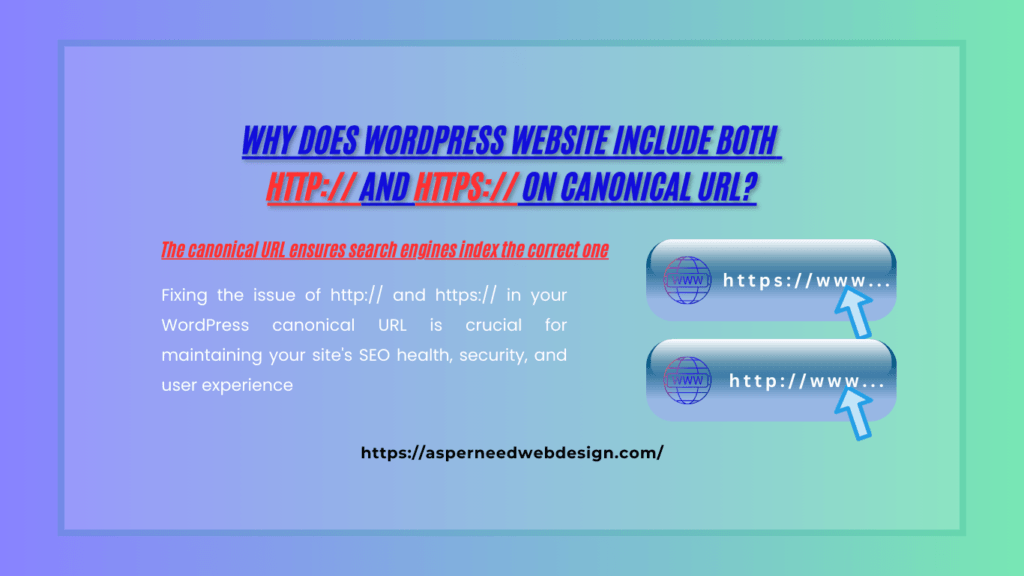
Encountering a mix of http:// and https:// in the canonical URL of your WordPress website can be puzzling. This issue can affect your site’s SEO, user experience, and overall credibility. In this article, we’ll explore the root causes of this problem, its potential impact, and the steps you can take to resolve it effectively. What is a Canonical URL? A canonical URL is an HTML tag used to tell search engines the preferred version of a web page. It helps avoid duplicate content issues by specifying the authoritative page when multiple versions of the same content exist. For example, if your site is accessible via both http:// and https://, the canonical URL ensures search engines index the correct one. However, when the canonical URL includes both http:// and https://, it signals a misconfiguration in your WordPress settings or hosting environment. Why Does This Problem Occur? The issue usually arises due to misconfigured settings, conflicts in plugins, or improper migration practices. Here are some common causes: Why Does This Matter? Having both http:// and https:// in your canonical URL can create several issues: How to Fix This Issue Follow these steps to resolve the issue: 1. Check WordPress URL Settings Go to Settings > General in your WordPress dashboard and ensure that: 2. Force HTTPS with .htaccess Add the following code to your .htaccess file to redirect all traffic to HTTPS: <IfModule mod_rewrite.c> RewriteEngine On RewriteCond %{HTTPS} off RewriteRule ^(.*)$ https://%{HTTP_HOST}/$1 [R=301,L] </IfModule> 3. Update Hardcoded URLs Search for hardcoded http:// URLs in your theme and plugin files. Replace them with https:// or relative URLs. You can use plugins like Better Search Replace to streamline this process. 4. Fix Mixed Content Issues Use tools like WhyNoPadlock or Chrome DevTools to identify insecure resources and update them to HTTPS. 5. Reconfigure Cache and CDN Settings Ensure your caching plugin (e.g., WP Rocket, W3 Total Cache) and CDN (e.g., Cloudflare) enforce HTTPS across all assets. Clear the cache after making changes. 6. Install an SSL Plugin Install and activate a plugin like Really Simple SSL to automate the process of enforcing HTTPS. 7. Test Your Website After making changes, test your site to confirm the issue is resolved: Final Thoughts Fixing the issue of http:// and https:// in your WordPress canonical URL is crucial for maintaining your site’s SEO health, security, and user experience. By addressing the root causes and implementing the solutions outlined above, you can ensure that your site adheres to best practices and performs optimally. Have you encountered this issue before? Share your experience in the comments below! And if you found this guide helpful, don’t forget to share it with others.
Choosing a Domain Name & Hosting: Key Steps for Website Success

When starting a website, the foundation of your online presence begins with two critical decisions: choosing the perfect domain name and selecting reliable hosting. These decisions influence your website’s visibility, performance, and user experience. In this guide, we’ll explore how to choose a domain name and hosting that aligns with your goals and set your website up for success. The Importance of Choosing the Right Domain Name A domain name is your website’s unique address on the internet, representing your brand and making it easy for users to find you. It’s more than just a name; it’s the first impression your audience will have of your website. Tips for Choosing the Perfect Domain Name Good Domain Name Examples Understanding Web Hosting and Its Role The service that maintains the files for your website and makes them available online is called web hosting. Choosing the right hosting provider ensures your website runs smoothly and remains accessible to visitors. Types of Web Hosting Step-by-Step Guide to Purchase a Domain and Hosting How to Choose the Right Hosting Provider With countless hosting options available, selecting the right one can be overwhelming. Here are the factors to consider: Choosing Domain Name and Hosting: The Perfect Pair Your domain name and hosting work hand in hand to establish your online presence. A memorable domain name attracts visitors, while reliable hosting ensures they have a seamless experience. For the best results: Conclusion Choosing a domain name and hosting is a pivotal step in building your website. A thoughtful approach ensures your site is memorable, accessible, and scalable. Follow these tips to create a solid foundation for your online presence and watch your website thrive. Start today by brainstorming domain names and researching hosting providers that match your needs. With the right choices, you’re well on your way to creating a successful website!
How to Build and Optimize a WordPress Website for Top Google Rankings
WordPress has become one of the most powerful platforms for building websites, trusted by millions worldwide. Its versatility, user-friendly interface, and extensive plugin ecosystem make it the go-to choice for beginners and experts. However, creating a WordPress website that is both user-friendly and SEO-optimized is essential for standing out in the competitive digital landscape. This guide will walk you through every step to design, optimize, and rank your WordPress website on Google’s first page. 1. Getting Started with WordPress Website Design Building a WordPress website starts with establishing a solid foundation. Choosing the right domain name and hosting provider ensures your website has the necessary performance and reliability. Proper installation and configuration of WordPress set the stage for a seamless website-building process. Choosing a Domain Name & Hosting Installing WordPress Before you can start designing your site, you need to install WordPress on your hosting account. This involves a few straightforward steps, especially if your hosting provider offers automated tools to streamline the process. 2. Designing Your WordPress Website from Scratch Designing a WordPress website requires selecting the right theme, customizing it to fit your brand, and enhancing its functionality with plugins. A thoughtful design approach ensures your website is visually appealing, user-friendly, and optimized for success. Choosing the Right Theme A theme determines your website’s layout, appearance, and functionality. Selecting the right theme is crucial for ensuring a seamless user experience and effective SEO performance. Customizing Your Theme Customizing your WordPress theme allows you to create a unique and branded website. Using WordPress Customizer, you can adjust visual elements, such as colors and fonts, to match your brand identity. Essential Plugins for Website Design Plugins add functionality to your WordPress website, making it more versatile and user-friendly. From design to performance, selecting the right plugins is essential for a professional website. Designing Key Pages Creating well-designed pages is vital for engaging your audience and achieving your website’s goals. Each page should have a clear structure and purpose to maximize user experience. 3. Creating High-Quality Content for Your WordPress Website Content is the backbone of your website. High-quality, engaging, and SEO-optimized content not only attracts visitors but also encourages them to stay and explore more. Incorporating multimedia elements further enhances the user experience. Writing Engaging Content Crafting engaging content involves understanding your audience’s needs and delivering value. Focus on providing actionable insights, unique perspectives, and solutions to their problems. Incorporating Multimedia Multimedia elements like images and videos make your content more appealing and easier to consume. Optimizing these files ensures they don’t slow down your website’s performance. 4. Optimizing Your WordPress Website for SEO For your WordPress website to receive organic traffic, search engine optimization, or SEO, is essential. Implementing on-page SEO techniques, optimizing for mobile, and improving speed are essential for better rankings. On-Page SEO On-page SEO focuses on optimizing individual pages to rank higher in search engines. It includes strategic keyword usage, meta optimization, and internal linking. Mobile Optimization With most users accessing websites on mobile devices, ensuring your site is mobile-friendly is non-negotiable. Both user experience and SEO rankings are improved by a mobile-friendly website. Speed Optimization A fast-loading website not only improves user experience but also boosts your SEO rankings. Optimizing speed involves reducing unnecessary elements and leveraging caching techniques. 5. Boosting User Experience (UX) on Your WordPress Website User experience (UX) is a key factor in retaining visitors and encouraging conversions. A well-designed website that’s easy to navigate and secure ensures a positive experience for your audience. Responsive Design Your website will adjust smoothly to various screen sizes due to responsive design. This improves usability and keeps visitors engaged regardless of the device they use. Navigation and Usability Users can find information more quickly using easy-to-use navigation. Clear labels and strategically placed CTAs guide visitors toward desired actions. Security Considerations Website security is vital for protecting user data and maintaining trust. Implementing the right measures reduces vulnerabilities and ensures your site’s integrity. 6. Ranking Your WordPress Website on Google’s First Page Getting your WordPress website to rank on Google’s first page requires a strategic approach. Focus on analytics, high-quality backlinks, and content strategies to build authority and visibility. Setting Up Google Analytics & Search Console Tracking your website’s performance is essential for identifying what works and what doesn’t. These tools provide valuable insights into user behavior and search engine visibility. Building High-Quality Backlinks Search engines are informed by backlinks that your website is reliable and authoritative. Earning quality backlinks involves consistent outreach and collaboration efforts. Local SEO Optimization (if relevant) For companies aiming to reach a particular geographic area, local SEO is crucial. Optimizing your Google My Business profile and encouraging reviews can boost visibility. Content Clusters & Pillar Content Strategy Organizing your content into clusters with pillar pages improves SEO and user experience. These comprehensive resources establish your website as an authority on specific topics. 7. Maintaining and Updating Your WordPress Website A successful website requires ongoing maintenance to stay secure, functional, and optimized. Regular updates and performance monitoring ensure your site continues to meet user expectations. Keeping Your WordPress Website Updated Staying up-to-date with the latest WordPress versions, themes, and plugins is crucial for security and compatibility. Ignoring updates can leave your site vulnerable. Regular Backups and Security Checks Backups and security checks provide peace of mind and protect your website from unexpected issues. Automating these tasks saves time and effort. Monitoring Website Performance Performance monitoring tools help you understand user behavior and identify areas for improvement. Analyzing metrics allows you to make data-driven decisions for better results. Final Thought Building and optimizing a WordPress website for top Google rankings is a comprehensive process that requires attention to detail, consistency, and ongoing maintenance. By following the steps outlined in this guide, you’ll create a website that not only attracts visitors but also keeps them engaged. Start implementing these strategies today, and watch your website climb the ranks on Google!