
5 Ultimate Tips To Optimize Your On-Page SEO
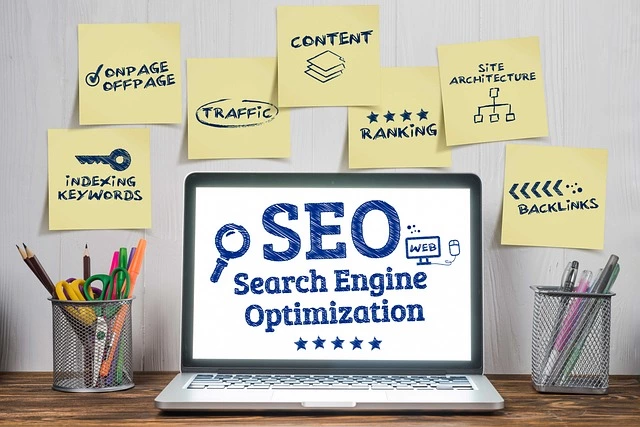
5 Ultimate Tips To Optimize Your On-Page SEO Introduction In the digital age, having a strong online presence is crucial for businesses looking to thrive in the competitive landscape of the internet. One key aspect of improving your visibility online is through optimizing your on-page SEO. By implementing the right strategies, you can boost your website’s rankings on search engine results pages (SERPs) and drive more organic traffic to your site. In this article, we will discuss five effective ways to optimize your on-page SEO and enhance your online visibility. 1. Conduct Keyword Research Utilize keyword research tools Utilize resources such as Ahrefs, SEMrush, and Google Keyword Planner to find low-competition, high-volume relevant keywords. Pay attention to long-tail keywords that are relevant to your target market and niche is essential for optimize your on-page SEO. Incorporate keywords strategically for optimize your on-page SEO Include target keywords in the page title, meta description, headings, and throughout the content. To provide readers value, stay away from cluttering the material with keywords and make sure it flows smoothly. 2. Optimize Meta Tags and Descriptions Craft compelling meta titles Write unique and descriptive meta titles that accurately reflect the content of the page. To make sure your titles show up correctly in search results, keep them under 60 characters. Create engaging meta-descriptions Write persuasive meta descriptions that entice users to click on your link. Include target keywords naturally and provide a summary of the page’s content. 3. Improve User Experience and Website Speed Optimize page load speed Minimize image sizes, enable browser caching, and utilize content delivery networks (CDNs) to improve website speed. Use resources like as Google PageSpeed Insights to pinpoint areas that require enhancement. Enhance mobile responsiveness Ensure that your website is mobile-friendly and displays properly on various devices. Mobile-friendly websites are given priority in search results according to Google’s mobile-first indexing. 4. Create High-Quality and Relevant Content Focus on quality over quantity Produce well-researched, informative, and engaging content that resonates with your target audience. Update and refresh material frequently to ensure it is current and useful. Use multimedia elements To improve the user experience, use films, infographics, pictures, and other multimedia components. Optimize multimedia files for faster loading times and better SEO performance. 5. Build Internal Links and Improve Site Structure Implement internal linking strategies Link to relevant pages within your website to improve navigation and help search engines understand the context of your content. Use descriptive anchor text that includes target keywords for SEO benefits. Optimize site structure Organize your website’s content logically with a clear hierarchy and intuitive navigation. Create XML sitemaps to help search engines crawl and index your pages efficiently. 5 most important on-page SEO factors are: Keyword in title tag: Having your keyword in the title tag is essential for SEO. Keyword in H1 tag: Placing your keyword in an H1 tag is considered important for SEO. Keyword early in content: Including the keyword within the first 100 to 200 characters of a page is crucial for ranking. Keyword repetitions in content: Repeating the main keywords throughout the content is vital for ranking, focusing on synonyms and variations. Keyword in meta description: Including the keyword in the meta description helps highlight it and make the search result more appealing. “Optimizing your on-page SEO is essential for improving your website’s visibility and attracting organic traffic.” By following these five strategies for optimizing on-page SEO, you can enhance your website’s search engine rankings, drive more traffic, and ultimately, improve your online presence. Remember to continuously monitor and adjust your SEO efforts to stay ahead of the competition and achieve long-term success.
The Power of SEO Studio Tools
“Unleashing the Power of SEO Studio Tools: Elevate Your Online Presence Today!” The Power of SEO Studio Tools lies in how they simplify the entire SEO process. Instead of spending hours guessing what might work, these tools give clear insights into keyword research, on-page fixes, competitor analysis, and technical audits. They make it easier to understand what’s holding a site back and what can help improve rankings and organic traffic. From my own experience, using the right SEO tools has always made my work smoother and more effective. Whether it’s checking backlinks, analyzing content, or monitoring site speed, they help me focus on the strategies that actually bring results. That’s why I always recommend SEO studio tools to anyone serious about building a strong online presence. The key features of SEO Studio tools include Comprehensive Keyword Research: SEO Studio tools offer advanced keyword research capabilities to identify relevant keywords with high search volume and low competition, helping optimize content for better search engine visibility. On-Page Optimization: These tools provide insights into optimizing on-page elements like meta tags, headings, and content structure to improve website relevance and visibility for target keywords. Technical SEO Analysis: SEO Studio tools conduct in-depth technical SEO audits to identify issues such as broken links, duplicate content, and site speed optimization, enhancing website performance and user experience – link Competitor Analysis: Users can analyze competitors’ strategies, keywords, and backlink profiles to refine their SEO strategy and stay ahead in search engine results. Backlink Monitoring: These tools offer backlink analysis features to track, evaluate, and optimize link-building efforts for building authority and credibility with search engines. Performance Tracking and Reporting: SEO Studio tools provide comprehensive performance tracking and reporting functionalities to monitor key metrics like organic traffic, keyword rankings, and conversion rates, enabling data-driven decisions to optimize website performance. These features collectively empower users to enhance their website’s SEO performance, attract more organic traffic, and achieve better search engine rankings. Benefits of Using SEO Studio Tools for Website Optimization In the world of digital marketing, search engine optimization is essential for raising conversion rates, increasing traffic, and enhancing visibility. The solutions provided by SEO Studio provide a complete solution for improving the functionality of your website and improving search engine rankings. Now let’s explore the advantages of utilizing these technologies in website optimization: 1. Enhanced Keyword Research: SEO Studio tools provide advanced keyword research capabilities, helping you identify relevant keywords with high search volume and low competition. By targeting the right keywords, you can attract more qualified traffic to your website and improve your search engine rankings. 2. On-Page Optimization: These tools offer insights into optimizing on-page elements such as meta tags, headings, and content structure. By following on-page optimization recommendations, you can improve your website’s relevance and visibility for target keywords, leading to higher organic traffic. 3. Technical SEO Analysis: SEO Studio tools conduct in-depth technical SEO audits to identify issues like broken links, duplicate content, and site speed optimization. By addressing these technical aspects, you can enhance your website’s performance, user experience, and search engine rankings. 4. Competitor Analysis: With SEO Studio tools allow you to analyze your competitors’ strategies, keywords, and backlink profiles. This competitive intelligence helps you identify opportunities to outperform your rivals, refine your SEO strategy, and stay ahead in the search engine results. 5. Backlink Monitoring: Monitoring and analyzing your website’s backlink profile is essential for building authority and credibility with search engines. SEO Studio tools offer backlink analysis features to help you track, evaluate, and optimize your link-building efforts for better SEO performance. 6. Performance Tracking and Reporting: SEO Studio tools provide comprehensive performance tracking and reporting functionalities, allowing you to monitor key metrics like organic traffic, keyword rankings, and conversion rates. By analyzing these metrics, you can measure the effectiveness of your SEO efforts and make data-driven decisions to optimize your website further. Difference between ‘SEO Studio Tools’ and other ‘Free SEO Tools’ SEO Studio Tool The difference between SEO Studio Tools and other free SEO tools lies in the comprehensive suite of features and user-friendly interface offered by SEO Studio Tools. Unlike some other free SEO tools, SEO Studio Tools provides a cutting-edge platform that includes a wide range of tools for SEO, YouTube, text, programming, and webmaster needs. This platform is designed to help website owners, content creators, and digital marketers effectively track, analyze, and optimize their online presence with real-time insights and in-depth analysis Free SEO Tool On the other hand, many free SEO tools may offer limited functionalities or focus on specific aspects of SEO. SEO Studio Tools stands out by providing a full suite of tools that cover various aspects of website optimization, keyword research, backlink analysis, YouTube channel monitoring, and more. This comprehensive approach sets SEO Studio Tools apart from other free SEO tools available online. In conclusion, leveraging SEO Studio tools for website optimization offers a range of benefits, from improving keyword targeting and on-page optimization to enhancing technical SEO and monitoring performance metrics. By incorporating these tools into your SEO strategy, you can boost your website’s visibility, attract more organic traffic, and achieve sustainable growth in search engine rankings.
Ultimate SEO Tips for Designing a Website Full of search engine optimization
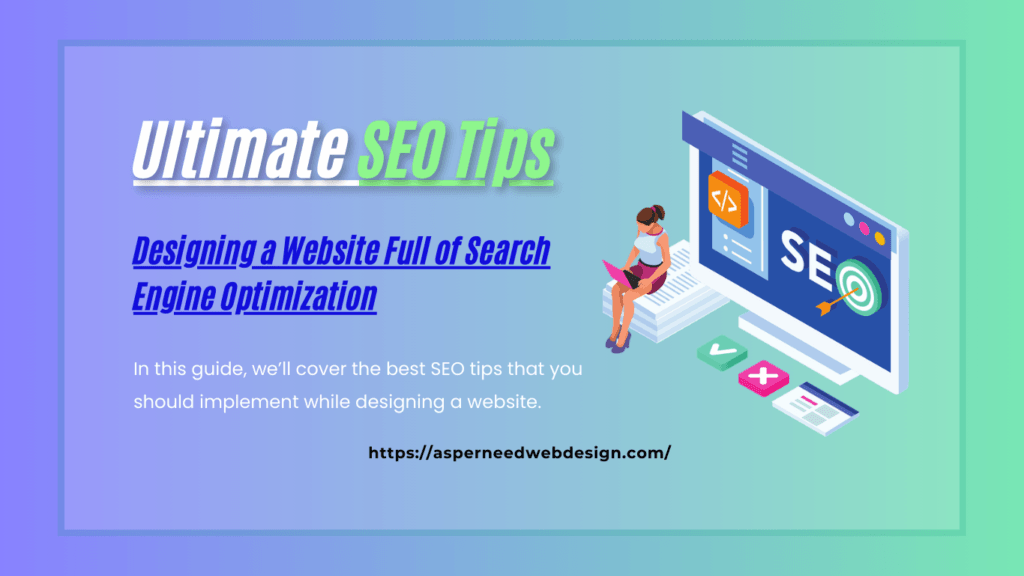
If you’re designing a website, SEO (Search Engine Optimization) should be a top priority. A well-optimized site helps you rank higher on Google, attract more visitors, and grow your business. But how do you design a website that’s fully optimized for search engines? In this guide, we’ll cover the best SEO tips that you should implement while designing a website. 1. Start with a Solid Site Structure A clean and logical site structure makes it easier for both users and search engines to navigate your website. Follow these steps: ✅ Plan a clear hierarchy – Your homepage should link to main categories, and those categories should link to subcategories or individual pages.✅ Use a simple URL structure – Keep URLs short, descriptive, and keyword-friendly. Example: 2. Use an SEO-Friendly Design Your website design affects SEO more than you think! Here’s what you need to do: 🎨 Mobile-first design – Since Google uses mobile-first indexing, ensure your website looks great and functions smoothly on mobile devices.⚡ Fast loading speed – A slow website can hurt rankings. Use optimized images, a caching plugin, and a lightweight theme.🔄 Easy navigation – Use a sticky menu, breadcrumbs, and a clear call-to-action (CTA) to improve user experience. 3. Optimize Your On-Page SEO Elements Every webpage should be optimized with the right elements: 📌 Title Tags & Meta Descriptions 📌 Use Proper Headings (H1, H2, H3) 📌 Image Optimization 4. Focus on High-Quality Content Content is king when it comes to SEO. Follow these content strategies: ✍ Write for humans first, SEO second – Avoid keyword stuffing and write naturally.📊 Use long-tail keywords – These are less competitive and bring in targeted traffic.📌 Add internal links – Link to related content within your site to improve user engagement and help search engines understand your site structure.🎯 Include external links – Link to authoritative sources to add credibility. 5. Technical SEO Matters Too! Technical SEO helps search engines crawl, index, and understand your website properly. 🔍 Enable HTTPS – A secure site (SSL certificate) is a ranking factor.🚀 Fix broken links – Use tools like Google Search Console to find and fix broken links.📱 Optimize Core Web Vitals – Ensure your site loads fast, is responsive, and provides a smooth user experience. 6. Implement Schema Markup for Better Visibility Schema markup helps search engines display rich results like ratings, FAQs, and breadcrumbs. Use Google’s Structured Data Markup Helper to add schema markup for:✅ Blog posts✅ Products✅ FAQs✅ Reviews 7. Improve User Engagement (Important for SEO!) A website with better engagement gets higher rankings because Google sees it as valuable. Here’s how to boost engagement: 🎯 Write compelling headlines – Use numbers, power words, and curiosity to grab attention.🎥 Use visuals & videos – Infographics and explainer videos keep users engaged.📢 Add CTA buttons – Encourage users to take action, such as signing up or reading another post. 8. Optimize for Local SEO (If You Have a Business Website) If you’re targeting a local audience, implement these strategies: 📍 Claim your Google My Business listing and keep it updated.📍 Use local keywords like “best SEO agency in [Your City]”.📍 Get customer reviews to build trust and improve rankings. Final Thoughts SEO-friendly web design is not just about ranking on Google—it’s about creating a great user experience while making your site discoverable. 🚀 By following these SEO tips, your website will:✔ Rank higher on search engines✔ Attract more traffic✔ Convert visitors into customers, Now it’s your turn! Apply these SEO strategies to your website and see the difference. Have any questions? Drop them in the comments! 😊
Enhancing Your Business Website’s SEO

Business Website’s SEO SEO is the strategic process of enhancing a website’s organic traffic by increasing its visibility and relevance in search engine results. It involves a myriad of techniques, ranging from keyword optimization and content creation to technical improvements and link building. Effective SEO not only helps in driving more traffic to your blog but also ensures that the right audience finds it. Enhancing Your Business Website’s SEO In this Article we try to provide a Comprehensive Guide to Optimize Online Visibility and Enhancing Your website’s SEO for better ranking. Business Website’s SEO I. Understanding SEO and its Importance for Business Websites A. Defining SEO: Unveiling the Key Concepts SEO, or Search Engine Optimization, is the practice of optimizing a website to improve its visibility on search engine results pages (SERPs). When a website ranks higher on search engine results, it is more likely to attract organic traffic. This is crucial for businesses as it increases the chances of potential customers discovering their products or services online. Search engines act as the gateway to the internet, with users relying on them to find answers to their queries. By understanding how search engines work and tailoring your website accordingly, you can ensure that your business is visible to users who are actively searching for what you offer. B. The Significance of SEO for Business Websites A well-optimized website offers numerous benefits for businesses. First and foremost, it increases online visibility, making it easier for potential customers to find your website. By appearing on the first page of search results, you stand a higher chance of generating click-throughs and conversions. SEO also plays a crucial role in enhancing the user experience on your website. Optimizing page load speed, improving navigation, and ensuring mobile responsiveness all contribute to a seamless browsing experience for your visitors. This, in turn, leads to increased user satisfaction and a higher likelihood of them staying longer on your website and engaging with your content. Additionally, SEO helps build credibility and trust with your audience. When your website consistently appears on the first page of search results, users perceive it as being well-established and reliable. This can have a positive impact on their perception of your brand and increase the likelihood of them choosing your products or services over competitors. C. Debunking Common SEO Misconceptions There are several misconceptions surrounding SEO that need to be debunked. One common myth is that SEO is a one-time effort that guarantees instant results. However, SEO is an ongoing process that requires continuous monitoring, analysis, and optimization to stay ahead of the competition and adapt to changes in search engine algorithms. Another misconception is that stuffing your website with keywords will automatically boost your rankings. While keywords are important for SEO, over-optimization can lead to penalties from search engines. It is crucial to strike a balance and ensure that your content caters to both search engines and human readers. It’s also important to note that SEO is not just about manipulating search engine rankings. It encompasses a range of strategies aimed at enhancing the user experience, improving website performance, and delivering valuable content. SEO should always keep the user in mind and prioritize their needs and preferences. II. Conducting Effective Keyword Research for Targeted Optimization A. Nailing the Basics of Keyword Research Keyword research is a critical step in SEO as it helps you understand what your target audience is searching for and the language they are using. By identifying the keywords and phrases they commonly use, you can tailor your website content to align with their search behavior. Start by gaining a deep understanding of your target audience’s demographics, preferences, and pain points. This will provide valuable insights into the keywords they are likely to use when searching for products or services related to your business. Once you have identified your target audience, conduct keyword research using tools like Google Keyword Planner, Ahrefs, or SEMrush. These tools provide valuable data on search volume, keyword difficulty, and related keywords. Focus on long-tail keywords, which are more specific and have lower competition. These keywords often lead to higher conversion rates as they reflect the user’s intent with greater accuracy. B. Employing Tools for In-depth Keyword Analysis Keyword research tools offer a wealth of data and insights that can help you optimize your website for targeted keywords. Google Keyword Planner is a free tool that provides search volume data and keyword suggestions based on your business or website. It can also help you identify long-tail keywords that may have lower competition but higher relevance to your audience. Ahrefs and SEMrush are paid tools that offer comprehensive keyword research functionalities. These tools not only provide search volume data but also analyze keyword difficulty and competition. They allow you to discover new keyword ideas, identify the top-ranking websites for specific keywords, and track your website’s performance for selected keywords over time. When analyzing keyword difficulty, pay attention to the competitiveness of the keywords you choose. High competition keywords may be harder to rank for, especially for new or smaller websites. Balancing high-competition keywords with lower competition ones can help improve your website’s chances of ranking higher on SERPs. C. Optimizing Website Content with Targeted Keywords Once you have identified your target keywords, it’s essential to integrate them organically within various elements of your website. These elements include headings, titles, meta descriptions, URLs, and the body text of your webpages. When incorporating keywords, ensure that they flow naturally within your content and do not disrupt the readability or user experience. Keyword stuffing is not only frowned upon by search engines but also discourages users from engaging with your content. Aim for a natural and seamless integration of keywords. Long-tail keywords play a crucial role in SEO and can have a significant impact on your website’s ranking. These keywords are more specific and reflect a user’s intent more accurately. By targeting long-tail keywords, you can attract highly relevant traffic to your website, improving your chances of conversions. Include long-tail
The Fastest Ways To Bring Traffic To A New Website

Creating a new website is an exciting venture, but the next challenge is bringing traffic to it. Whether you’re launching a blog, e-commerce store, or informational site, getting visitors quickly is crucial for gaining momentum. Here are some of the fastest ways to drive traffic to your new website. 1. Leverage Social Media Social media platforms are excellent for driving immediate traffic. Determine the locations of your target audience’s time-spending activities first. Is it Instagram, Facebook, Twitter, LinkedIn, or TikTok? Create engaging posts tailored to each platform and use relevant hashtags to increase visibility. Additionally, joining niche groups or communities and sharing your content can attract interested visitors quickly. 2. Paid Advertising Investing in paid advertising can yield rapid results. Google Ads and social media ads (Facebook, Instagram, LinkedIn) allow you to target specific demographics and interests, ensuring your website reaches the right audience. Setting a budget and creating compelling ad copy with a strong call to action can drive significant traffic to your site. 3. Content Marketing High-quality content is a powerful tool for attracting visitors. Start a blog on your website and write articles that address common questions or problems your target audience faces. Share these articles on social media and relevant forums. Additionally, guest posting on established blogs in your niche can drive their readers to your site. 4. SEO Optimization While SEO is a long-term strategy, some techniques can bring quick results. Start by optimizing your website for local SEO if applicable. This includes adding your business to Google My Business and other local directories. Also, target long-tail keywords that have lower competition but a clear search intent. You can locate these keywords with the use of programs like Google Keyword Planner. 5. Collaborate with Influencers Influencer marketing is another quick way to gain traffic. Identify influencers in your niche and collaborate with them to promote your website. This could be through sponsored posts, product reviews, or social media takeovers. Influencers have established trust with their audience, making their endorsement valuable. 6. Email Marketing If you have a list of contacts, email marketing can be highly effective. Send out an announcement about your new website to your email subscribers. Ensure your email is engaging, includes a clear call to action, and provides value to the recipient. If you don’t have an email list, consider creating lead magnets to build one quickly. 7. Online Communities and Forums Participating in online communities and forums relevant to your niche can drive targeted traffic. Sites like Reddit, Quora, and industry-specific forums are great places to share your knowledge. Be helpful and avoid conspicuous self-promotion; instead, include a link to your website in your profile or casually within your responses where relevant. 8. Utilize Video Content Video content is immensely popular and can drive substantial traffic. Create videos related to your niche and share them on YouTube, Instagram, and Facebook. Ensure your videos are engaging and include a call to action that directs viewers to your website. Additionally, live streaming on platforms like Instagram Live or Facebook Live can create real-time engagement. 9. Offer Freebies or Promotions Everyone loves free stuff! Offering freebies, discounts, or promotions can entice people to visit your website. This could be a free e-book, a discount code, or a limited-time offer. Promote these offers through social media, email marketing, and collaborations with influencers to attract a broader audience. 10. Network Offline Don’t underestimate the power of offline networking. Attend industry conferences, meetups, and networking events to promote your website. Hand out business cards with your website URL and engage in conversations about what you offer online. Building personal connections can lead to referrals and word-of-mouth traffic. Conclusion Driving traffic to a new website requires a multifaceted approach. By leveraging social media, paid advertising, content marketing, and SEO, you can attract visitors quickly. Collaborating with influencers, participating in online communities, utilizing video content, offering promotions, and networking offline can further boost your traffic. Remember, the key is consistency and providing value to your audience. With these strategies, you’ll see your website traffic grow in no time.